
A near miss is reported on site. The paperwork looks perfect. The Health and Safety Audit was signed off last week. Every box is neatly ticked.
Yet something was missed.
Somewhere between the checklist, the clipboard, and the final signature, a gap slipped through. The paperwork says everything is fine. The loose cable on the floor says otherwise.
This is where errors hide. Not through neglect, but through small gaps in process.
Health and Safety Audits are meant to protect teams, projects, and reputations. Still, many audits fail to catch the small issues that later become serious incidents. The problem is rarely effort. It is structure, visibility, and follow-through.
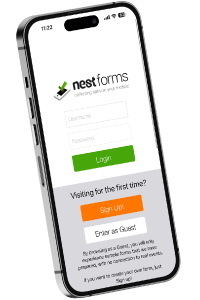
Digital systems like the NestForms form builder app are designed to remove many of these gaps by linking inspections, evidence, and reporting into one structured process.
Where Health and Safety Audits Go Wrong
1. Checklists Without Verification
Tick boxes are easy. Evidence is harder.
A health and safety audit often relies on paper forms or static spreadsheets. Inspectors tick “PPE worn” or “Fire exits clear”. Without photo proof or time stamps, that record depends on memory and trust.
A mobile form app links each answer to images, GPS location, and a digital signature. That creates a clear audit trail.
2. Inconsistent Reporting Across Sites
One site manager records every minor issue. Another reports only major hazards.
The result is uneven data. Patterns stay hidden because reporting standards differ. This is common in construction, logistics, and field service environments.
A structured and standardised snag list form ensures every team follows the same process. The wording stays consistent. The data stays comparable. Consistent completion forms assist with subsequent health and safety audits
3. Delayed Reporting
Paper audits often sit in a van or office before being filed. By the time management sees the report, the risk may have grown.
A mobile data collection app sends results instantly. Supervisors can review findings the same day. Corrective actions can begin without delay.
Speed matters in health and safety.
4. Missing Follow-Up Actions
An audit identifies loose cabling. A note is written. Weeks later, nothing changes.
This gap between identification and action is common. A project tracking form or linked work completion form closes that loop. When an issue is logged, it can trigger a task. The task must then be marked complete before the audit is closed.
That is how accountability becomes visible.
5. Lack of Evidence for Compliance
During external inspections, organisations often struggle to retrieve past records quickly. Searching through folders wastes time.
Digital automated inspection reports store data centrally. Reports can be filtered by date, site, or inspector. A full project completion report or final inspection checklist can be generated in minutes.
This supports internal audits and external compliance reviews.

Common Gaps in Health and Safety Audits
Beyond reporting errors, certain risk areas are frequently overlooked:
- Temporary access routes not reviewed daily
- Outdated training certificates
- Subcontractor documentation not updated
- Equipment inspections logged but not verified
- Site handover checks rushed at project end
These gaps usually appear during busy phases of a project. They are rarely intentional.
A structured site handover form or digital project handover checklist reduces end-of-project oversight. It forces each safety item to be reviewed before sign-off.
Digital Tools Reduce Human Oversight
Health and safety audits depend on people. People work under pressure.
Digital systems provide guardrails. They standardise question sets. They prevent incomplete submissions. They store records securely.
A snag list app or punch list app can flag hazards immediately. A job completion form or work completion report can require supervisor approval before closure. An installation form can confirm compliance during equipment setup.
For surveying teams, a GPS land survey app or surveying app can log exact site coordinates during inspection. This is useful for large infrastructure or boundary projects.
These tools do not replace judgement. They support it.
Turning Audits into Preventative Systems
A health and safety audit should not feel like an isolated task. It should feed into ongoing quality control.
Linking audits with:
- Health and safety audit templates
- Project completion forms
- A quality control checklist app
- A central dashboard
This creates a continuous record of site performance.
When issues repeat, patterns become visible. When patterns are visible, risk reduces.
Practical Steps to Close Audit Gaps
- Standardise all audit forms across sites.
- Require photo evidence for critical items.
- Use GPS tagging for location-based inspections.
- Automate follow-up tasks.
- Store reports in a searchable system.
- Review trends monthly, not annually.
Small structural changes often prevent larger failures.
Why Health and Safety Audits Need Structure
Health and safety audits exist to prevent harm. Yet incomplete data, inconsistent processes, and delayed follow-ups weaken their purpose.
Digital reporting tools provide clarity. They make errors harder to hide. They connect identification with action.
That reduces gaps.
Join professionals already using one of the leading apps for surveyors to improve accuracy and save time on site. See why teams rely on the best surveyor app to complete site surveys, punch list application, new build snagging lists, and inspection reports faster. Check out a ready-made Health and Safety Audit template from our library.
We can provide you with a free Training Demo as an introduction to our offline survey app platform if you need it. For larger operations we also provide more detailed Assisted Onboarding.
Start your NestForms GPS survey app journey today and sign up for the free two week trial. During this time, you can test all features included in the Premium plan