
Construction projects rarely end without a few outstanding issues. Minor defects, incomplete tasks, and cosmetic problems are a normal part of the handover process. The real challenge is not finding these snags—it's tracking snags effectively so they are resolved before they turn into disagreements between contractors, clients, and subcontractors.
Many disputes begin because there is no clear record of what was identified, when it was reported, or whether it was ever fixed. A well-managed snagging process creates accountability, improves communication, and helps projects reach completion with fewer delays.
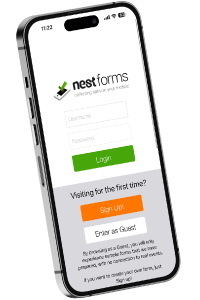
Solutions like NestForms punch list app give construction teams a practical way to record, assign, and monitor snag lists from site using mobile devices, ensuring everyone works from the same information.
What does Tracking Snags mean?
Tracking snags means maintaining an organised record of every defect or incomplete item discovered during a project.
Rather than keeping handwritten notes or scattered spreadsheets, each snag is recorded with supporting information such as:
- Description of the issue
- Exact location
- Photographs
- Priority level
- Person responsible
- Completion status
- Date identified
- Date resolved
This creates a complete audit trail throughout the project.
Why Do Snags Become Disputes?
Most disputes are not caused by major construction failures.
Instead, they usually arise because people disagree about simple questions such as:
- Was this issue already reported?
- Who agreed to fix it?
- Has it already been completed?
- When was the work inspected?
- Was the client satisfied?
Without reliable records, answers become based on memory instead of evidence.
A documented snagging process removes much of this uncertainty.
Common Problems with Manual Snag Tracking
Many construction companies still rely on paper checklists, printed plans, or emailed photographs.
While these methods may work on smaller projects, they become difficult to manage when multiple contractors are involved.
Common problems include:
Lost paperwork
Paper forms can easily be misplaced or forgotten.
Duplicate reporting
Different inspectors may record the same issue multiple times.
Missing photographs
Images become separated from inspection notes.
Poor communication
Teams may not know whether work has already been assigned or completed.
No progress visibility
Managers struggle to understand which snags remain outstanding.
These problems often lead to unnecessary site visits and delayed project completion.
How Digital Snag Tracking Improves Accountability
Using a digital snagging system creates a single source of information for everyone involved.
Each snag can be updated as work progresses.
For example:
- Inspector identifies a defect.
- Photograph is attached.
- Location is recorded.
- Contractor is assigned.
- Repair is completed.
- Follow-up inspection confirms the work.
- Snag is marked complete.
Every step is recorded automatically.
This makes it much easier to demonstrate what happened throughout the project.
Record Evidence While Still on Site
One advantage of mobile snagging software is that information can be captured immediately.
Instead of writing notes to update later, inspectors can:
- Take photographs
- Record GPS location if required
- Add measurements
- Capture digital signatures
- Include comments
- Assign priorities
Everything stays together within a single inspection record.
This reduces forgotten details and improves the accuracy of reports.

Keep Everyone Working from the Same List
Construction projects often involve multiple contractors working simultaneously.
If every company maintains its own snag list, confusion quickly develops.
A shared digital list allows everyone to view:
- Outstanding work
- Completed items
- Newly identified defects
- Assigned responsibilities
- Inspection history
This helps reduce duplicated work and improves communication between teams.
Prioritise the Right Issues
Not every snag has the same level of importance.
Some defects prevent project completion.
Others are cosmetic and can be resolved later.
Tracking systems allow issues to be prioritised so that critical defects receive immediate attention.
This helps teams focus their resources where they have the greatest impact.
Build a Complete Audit Trail
One of the biggest advantages of digital snag tracking is having a complete history of every issue.
Each record can include:
- Original inspection
- Time and date stamps
- Images before repair
- Images after repair
- Comments from inspectors
- Client sign-off
- Completion confirmation
If questions arise months later, the project team has clear evidence showing exactly what happened.
Improve Client Confidence
Clients appreciate transparency during project handover.
Providing structured reports that clearly show outstanding work and completed repairs demonstrates professionalism.
Rather than wondering whether issues have been forgotten, clients can see measurable progress throughout the snagging process.
This often leads to smoother handovers and greater confidence in the contractor.
Reduce Repeat Site Visits
Poor snag tracking frequently results in unnecessary return visits.
Teams arrive expecting work to be complete, only to discover outstanding defects remain.
With accurate status updates, supervisors can verify progress before arranging inspections.
This saves both time and travel costs.
Why Mobile Snag Tracking Makes a Difference
Modern construction teams rarely work from a single office.
Inspectors, supervisors, and contractors spend most of their time on site.
Mobile snagging applications allow updates to happen wherever work is taking place.
With NestForms, inspectors can:
- Complete snag inspections offline
- Attach photographs and annotations
- Capture digital signatures
- Assign work immediately
- Generate professional inspection reports
- Share updates with project stakeholders
This keeps information flowing without relying on paper forms or delayed office updates.
Best Practices for Tracking Snags
To improve project outcomes, consider these simple practices:
- Record every snag immediately.
- Include clear photographs.
- Assign responsibility for each issue.
- Prioritise critical defects.
- Update statuses as work progresses.
- Carry out follow-up inspections.
- Obtain client sign-off when work is complete.
- Keep all records in one central system.
Following these steps creates a consistent process that is easy for every team member to follow.
Final Thoughts
Most construction disputes do not begin with major defects. They start with uncertainty over what was reported, who was responsible, or whether work was completed.
Effective tracking snags removes that uncertainty by creating clear records, improving communication, and providing evidence throughout the entire project lifecycle.
Whether you're managing a residential development, commercial build, or infrastructure project, keeping an accurate digital snag list helps prevent misunderstandings long before they become costly disputes.
By using a structured mobile solution such as NestForms, construction teams can complete inspections faster, monitor progress more effectively, and deliver projects with greater confidence.
At NestForms we offer a free Training Demo as an introduction to the platform if you need it. For larger operations we also provide more detailed Assisted Onboarding.
Start your NestForms journey today and sign up for the free two week trial. You can review and test all of the features available to Premium plan users during this period.